
 Track Your Shipment
 Online Enquiry
 Sign In
 English
 Alfares Cargo
 Logistic Informations
 2026-07-18
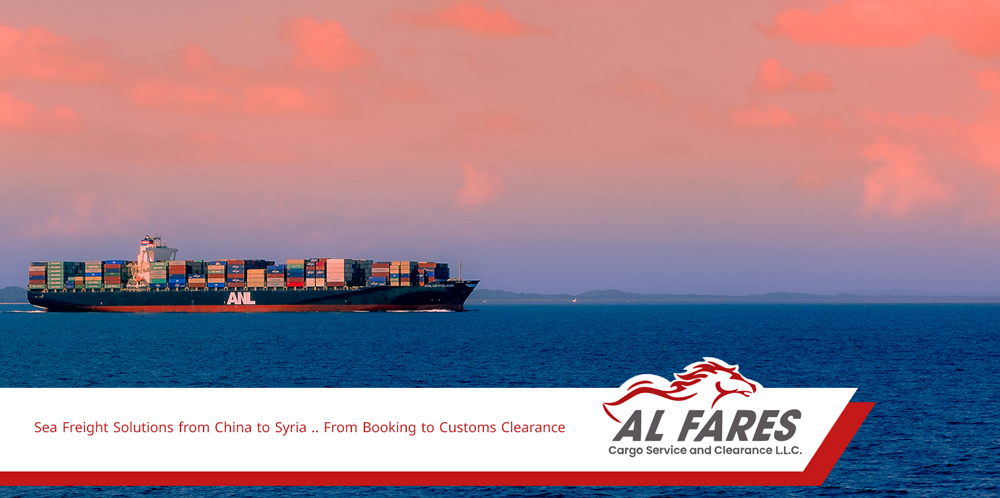
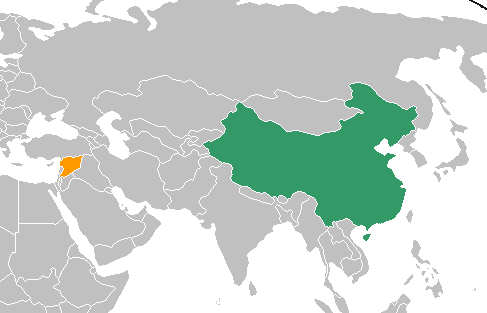
Amid the continuous expansion of global trade, China has become one of the most important exporting countries to Arab markets, especially the Syrian market, which relies heavily on Chinese products across various commercial and industrial sectors. With the increasing diversity of imported goods and the growing demand for them, sea freight has emerged as one of the most widely used shipping methods between China and Syria, thanks to its ability to transport large quantities at competitive costs compared to other shipping methods.
At present, the sea freight sector is witnessing rapid changes due to regional and international developments, particularly the disruptions in the Red Sea and the rising costs of transportation and marine insurance. These challenges have encouraged importers and traders to search for more flexible and efficient logistics solutions to ensure that their shipments continue to arrive safely and on time.
The importance of relying on experienced shipping companies has also increased, especially companies that can manage alternative routes, transit services, and customs clearance procedures, particularly in light of the challenges affecting some traditional maritime routes.
Shipping from China to Syria is no longer limited to simply booking a container and sending it. It has become an integrated logistics process that begins with selecting the right supplier and the best shipping line, continues through booking, consolidation, and sea transportation, and ends with customs clearance and delivery of goods inside Syria. This is where professional logistics solutions become essential in helping importers reduce costs, avoid delays, and minimize operational risks.
Major Chinese Ports Used for Shipping to Syria
Chinese ports are among the largest and most advanced ports in the world. They serve as the main starting point for most commercial shipments heading to Arab markets, including Syria. Choosing the right port depends on several factors, such as the type of goods, required shipping speed, transportation costs, and available shipping lines.
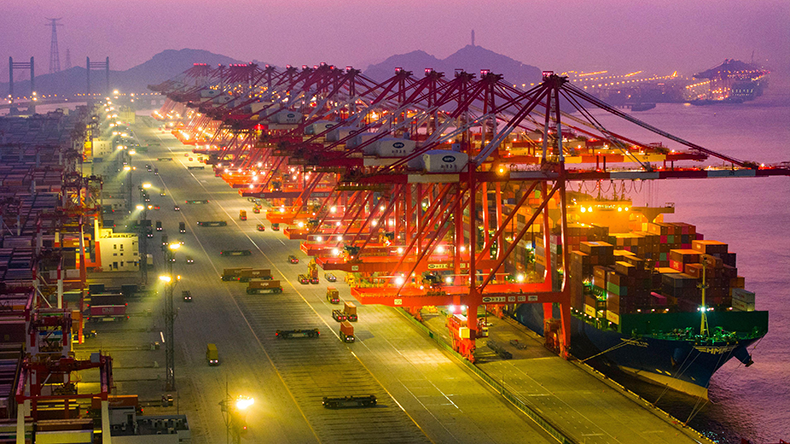
In light of the current developments in the maritime transport sector, knowing the most suitable port for shipping has become an essential step to reduce costs and ensure shipments arrive with the highest possible efficiency.
1. Shanghai Port: The Largest Commercial Gateway for Sea Freight
Shanghai Port is considered one of the largest and busiest seaports in the world. It is widely used for exporting commercial and industrial goods from China to various countries in the Middle East.
Shanghai Port is known for:
- A wide range of international shipping lines.
- Easy booking of different types of containers.
- High capacity for handling large shipments.
- Fast handling and export operations.
Many Syrian traders prefer shipping through Shanghai Port when importing industrial equipment, electronics, and commercial products in large quantities, due to the variety of logistics options available there.
2. Ningbo Port: An Ideal Option for Industrial Shipments
Ningbo Port has become one of the most important Chinese ports used for exporting industrial products, building materials, and spare parts. It is also located near many major Chinese factories, which helps in:
- Reducing inland transportation costs within China.
- Speeding up container preparation procedures.
- Reducing waiting times before sailing.
Ningbo Port is a suitable option for traders looking for economical and stable shipping solutions to Syria, especially for heavy or large commercial shipments.
3. Shenzhen Port: A Major Hub for Electronics and Commercial Goods
Shenzhen Port is located in southern China, close to some of the country’s most important industrial and technology zones. It is one of the most commonly used ports for shipping:
- Electronic devices.
- Mobile phones and accessories.
- Modern consumer products.
- Fast-moving commercial shipments.
The port is also known for its fast procedures and multiple sea freight sailings, making it a suitable choice for companies that need to ship goods regularly to Syrian markets.
4. Guangzhou Port and Its Role in Trade with the Middle East
Guangzhou Port is widely used for shipping various commercial products, especially clothing, fabrics, household items, and accessories. Many Syrian importers benefit from its proximity to major commercial markets and factories in southern China.
The port also offers multiple options for both LCL shipments and full container loads, helping small and medium-sized businesses reduce operational costs.
5. How to Choose the Most Suitable Port for Shipping to Syria
Choosing the right port does not depend only on geographic location. It is also linked to several logistics and commercial factors, including:
- The nature and volume of the goods.
- The cost of transporting goods from the Chinese city to the port.
- The duration of the sea journey.
- Availability of suitable shipping lines.
- Port congestion status.
- Available sea routes to Syria or transit ports.
In some cases, choosing a geographically farther port may be more cost-effective due to lower shipping costs or the availability of more direct sailings.
Ports and Routes Used to Reach Syria
Sea freight from China to Syria currently depends heavily on the diversity of sea routes and regional transit options, especially with the ongoing changes in global shipping and the challenges related to vessel movement through certain maritime passages.
For this reason, shipping is no longer limited to direct arrival at Syrian ports. Alternative logistics solutions have become increasingly important to ensure the continuous flow of goods and reduce the risk of delays.
A. Direct Shipping to Syrian Ports
When operational conditions allow, some shipments from China are routed directly to Syrian ports, mainly:
- Latakia Port.
- Tartus Port.
This method is considered one of the best options for some importers because it reduces intermediate transportation stages and helps speed up the arrival of goods to Syrian markets.
However, the availability of direct shipping lines varies from one period to another depending on:
- Maritime navigation conditions.
- Schedules of international shipping companies.
- Marine insurance costs.
- Regional conditions in the Red Sea and the Eastern Mediterranean.
For this reason, many importers rely on transit solutions, which have become more common in recent years.
B. Beirut Port as a Transit Solution for Shipping to Syria
Beirut Port is one of the most important ports used as a transit point for goods coming from China to Syria, especially for commercial and personal shipments.
The process usually involves:
- Containers arriving from China to Beirut by sea.
- Carrying out certain logistics or customs procedures.
- Transporting shipments by land into Syria.
This route offers several advantages, including:
- Availability of multiple shipping lines from China.
- Flexible shipping schedules.
- Easy land transportation to many Syrian cities.
This option is commonly used when there is congestion or delay on some direct routes to Syrian ports.
C. Mersin Port in Turkey and Its Role in Transit Movement
Mersin Port in Turkey has become one of the leading alternative ports used for shipping to Syria in 2026, especially with the increasing reliance on flexible logistics solutions.
This route is widely used for:
- Large commercial shipments.
- Industrial equipment.
- Goods that require reorganization or consolidation.
After the goods arrive at Mersin, they are transported by land to Syria. This gives importers additional options in case of maritime disruptions or delays at other ports.
The Role of Al Fares in Organizing Shipping Operations from China to Syria
Al Fares provides integrated logistics solutions that meet the needs of both traders and individuals through a wide range of services.
1. Providing Integrated Sea Freight Services
Al Fares offers comprehensive sea freight services that begin with receiving goods from Chinese suppliers and factories, arranging bookings, preparing containers, and delivering shipments to their final destination inside Syria, while ensuring efficient follow-up throughout all stages of transportation.
2. Managing Bookings and Selecting the Best Shipping Lines
With congestion in some global ports and the rise in sea freight costs, Al Fares helps its customers choose the most suitable shipping lines and the most stable maritime routes.
This contributes to reducing waiting times, avoiding delays, and securing suitable shipping space during peak seasons.
3. Consolidated Shipping Services to Reduce Costs
Al Fares provides LCL and consolidated shipping solutions for traders who do not need full containers. This helps reduce shipping costs and operational expenses, especially in light of the global increase in sea freight prices.
4. Flexible Solutions for Transit Routes
Due to the challenges affecting navigation in some maritime routes, Al Fares relies on flexible shipping route management, whether through Syrian ports or regional transit ports such as Beirut Port and Mersin Port.
This ensures the continuity of cargo movement and reduces the possibility of delays.
5. Shipment Tracking and Continuous Coordination with Customers
Al Fares provides accurate container tracking services from departure in China until arrival in Syria. Customers are continuously updated on shipment status, expected arrival dates, and customs clearance procedures.
This helps customers organize receiving and storage operations more efficiently.
6. Supporting Customs Clearance Procedures
The company assists customers in preparing the required documents, reviewing paperwork, and coordinating customs clearance procedures.
This helps reduce the possibility of delays or penalties and speeds up the release of goods.
7. Practical Experience in Handling Modern Shipping Challenges
Al Fares has extensive experience in dealing with the rapid changes currently affecting the sea freight sector, including price fluctuations, changes in shipping routes, and port congestion.
This experience helps importers carry out their shipping operations safely and efficiently while reducing risks and operational costs.
Important Tips to Reduce Costs and Speed Up Shipment Arrival
1. The Importance of Smart Shipping Planning
In light of the current fluctuations in the global sea freight sector, advance planning for import operations from China to Syria has become essential for reducing costs and avoiding delays and logistics issues.
Continuous changes in shipping prices and maritime routes require importers to adopt more flexible and efficient solutions to ensure that goods arrive at the best possible cost.
2. Early Booking to Avoid Higher Shipping Costs
Early booking is one of the most important factors that helps importers secure suitable shipping rates and ensure available space on vessels, especially during peak seasons and periods of pressure on global shipping movement.
This also helps reduce the possibility of delays and unexpected cost increases.
3. Choosing the Right Shipping Method for the Goods
Choosing the right shipping method, whether full container load, partial shipment, or special containers, helps improve transportation efficiency and reduce operational expenses.
Shipping needs differ depending on the nature, size, storage requirements, and transportation conditions of the goods.
4. The Importance of Consolidated Shipping in Reducing Expenses
Consolidated shipping has become an important cost-saving solution for importers who bring in limited quantities of goods.
It helps reduce transportation and container costs while making better use of available space, especially for small and medium-sized businesses.
5. Ensuring Customs Readiness of Shipments
Accurate documents and compliance with customs requirements are essential factors that help speed up clearance procedures and avoid fines or shipment delays.
Therefore, importers need to review the required documents and certificates before starting the shipping process.
6. The Importance of Marine Cargo Insurance
Marine cargo insurance has become a necessary step during the current period, especially with the increasing risks associated with sea transportation.
Insurance helps protect goods against damage, loss, or delays caused by unexpected circumstances. It also reduces potential financial losses and helps maintain the stability of commercial operations.
To read more about shipping to Syria click here.
To read more about shipping from China click here.