
 Track Your Shipment
 Online Enquiry
 Sign In
 English
 Alfares Cargo
 Logistic Informations
 2026-06-29
With the increasing complexity of international shipping operations and the growing volume of global trade, the need for unified international standards and regulations has become essential. Differences in laws and systems between countries can lead to complications and delays in the movement of goods. This has driven international organizations to establish frameworks that facilitate trade and ensure smooth logistics operations.
In this context, specialized international organizations such as FIATA have emerged, playing a key role in setting unified professional standards and improving logistics practices worldwide. These organizations enhance cooperation among freight forwarders while providing training and professional guidance to industry professionals.
Thanks to these efforts, the shipping industry has become more efficient and organized, helping accelerate global trade while reducing costs and risks. Shipping is no longer just about transporting goods it has become a strategic pillar supporting the global economy and connecting international markets.
What is FIATA?
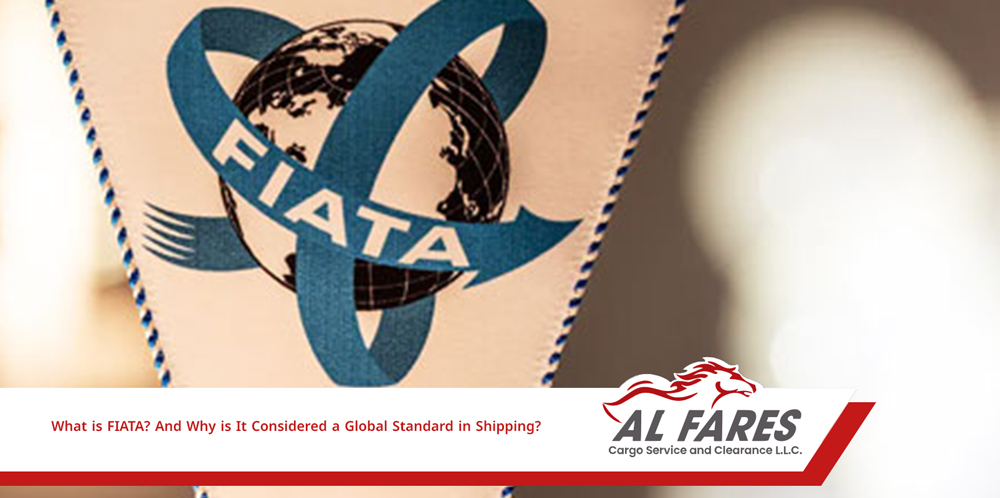
FIATA is one of the most prominent international organizations representing the global freight forwarding and logistics sector. It works to regulate and develop the freight forwarding profession according to international standards that facilitate global trade.
.jfif)
1. Definition of FIATA
FIATA stands for the International Federation of Freight Forwarders Associations. It is a non-governmental organization representing freight forwarders and logistics companies worldwide. Its mission is to develop the profession and establish standards that enhance the efficiency of shipping operations and supply chains.
2. Establishment and Headquarters
FIATA was founded in 1926 with the goal of organizing the freight forwarding profession and creating a global framework that brings together national associations. Its headquarters is located in Geneva, Switzerland, a major hub for international organizations.
3. Global Membership
FIATA includes national associations from over 150 countries, representing tens of thousands of logistics and freight forwarding companies worldwide. This global reach gives FIATA strong influence in shaping international transport policies and standards.
4. Representation of the Industry
FIATA acts as a global representative of the logistics sector, advocating for freight forwarders’ interests and contributing to the development of international transport laws and regulations.
FIATA’s Role and Objectives in the Shipping Industry
FIATA plays a central role in developing and regulating the global logistics sector. Its key objectives include:
1. Regulating the Freight Forwarding Profession
FIATA establishes a professional framework that defines the responsibilities of freight forwarders within the global supply chain, enhancing service quality and professionalism.
2. Setting Professional and Ethical Standards
The organization promotes ethical and professional practices by creating guidelines that standardize relationships between exporters, importers, carriers, and insurers reducing disputes and increasing trust.
3. Promoting International Cooperation
FIATA fosters global collaboration through conferences, forums, and workshops, allowing companies to exchange knowledge and build partnerships.
4. Representing the Industry Globally
FIATA represents the logistics sector before international organizations and governments, contributing to policymaking in global trade and transportation.
Standard Documents Developed by FIATA
One of FIATA’s most important contributions is the development of standardized documents used worldwide in logistics operations. These documents simplify procedures and reduce legal and administrative complexities.

Key Documents Include:
- Freight Forwarders Bill of Lading
- Forwarders Certificate of Receipt
- Shipping Instructions
- Multimodal Transport Documents
FIATA Bill of Lading (FBL)
The FIATA Bill of Lading (FBL) is one of the most recognized documents globally. It:
- Defines the freight forwarder’s responsibility
- Serves as a contract of carriage
- Can act as a document of title in certain cases
Other important documents include:
- FCR (Forwarders Certificate of Receipt)
- FCT (Forwarders Certificate of Transport)
FIATA Training and Certification Programs
FIATA places strong emphasis on developing human resources in the logistics sector, recognizing that expertise is key to success.
1. Enhancing Professional Competence
FIATA provides specialized training covering international shipping, multimodal transport, customs procedures, and cargo insurance.
2. Diploma and Certification Programs
One of the most recognized programs is the FIATA Diploma in Freight Forwarding, which covers:
- Fundamentals of international shipping
- Sea, air, and land transport management
- Logistics documentation
- Customs procedures and trade regulations
- Risk management and insurance
Why is FIATA a Global Standard in Shipping?
1. International Recognition
FIATA standards are widely recognized by governments and global organizations such as:
- International Chamber of Commerce (ICC)
- World Customs Organization (WCO)
- International Air Transport Association (IATA)
2. Standardization of Procedures
FIATA has unified documentation and procedures, reducing administrative complexity and facilitating smoother international transactions.
3. Industry Trust
Freight forwarders and clients worldwide trust FIATA standards due to their reliability and long-standing expertise.
Companies like Al Fares Cargo Services follow international best practices aligned with FIATA standards to deliver efficient and secure logistics solutions.
Benefits of Working with FIATA-Compliant Freight Forwarders
Choosing a reliable logistics partner is essential for successful international shipping operations.
1. Increased Reliability and Security
Companies operating under FIATA standards follow structured procedures that reduce risks of damage or loss.
2. Compliance with International Standards
This ensures:
- Higher service quality
- Regulatory compliance
- Fewer documentation errors
3. Improved Efficiency and Reduced Risks
FIATA-compliant companies achieve:
- Faster deliveries
- Reduced delays
- Lower operational costs
- Better handling of complex shipments