
 Track Your Shipment
 Online Enquiry
 Sign In
 English
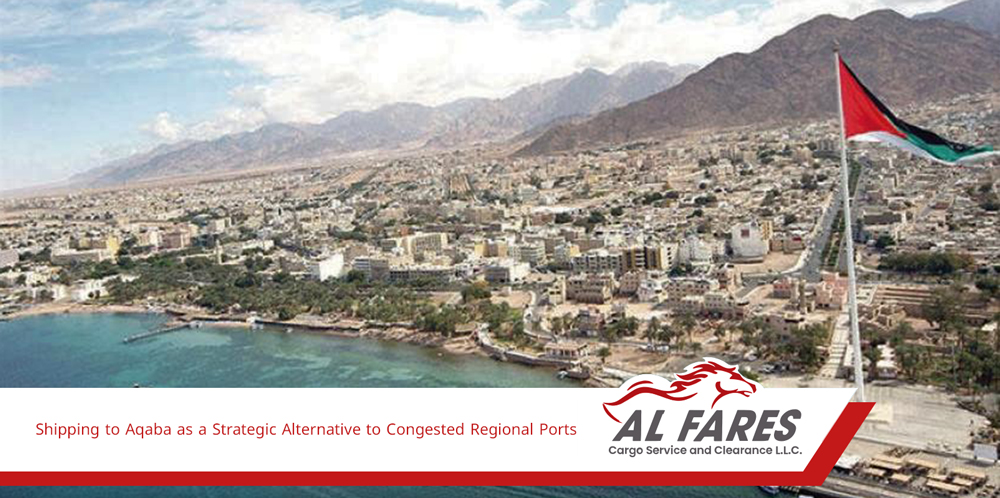
 Alfares Cargo
 Logistic Informations
 2026-05-13
Global supply chains are currently undergoing unprecedented transformations, particularly in the Middle East, which is considered one of the world’s most important international trade corridors. Maritime shipping no longer follows traditionally stable routes, but has instead become heavily influenced by geopolitical fluctuations and security tensions that directly impact the efficiency and smoothness of sea transportation.
Amid these challenges, traditional ports in the Gulf and Red Sea regions are no longer able to absorb increasing pressure with the same level of efficiency as before, leading to shipment congestion and growing delays. As companies increasingly adopt risk-management strategies, the need for safer and more flexible logistics alternatives has become essential to maintaining supply chain continuity.
As a result, the regional shipping map has begun to reshape itself, with new or less congested ports emerging as strategic alternatives. Choosing a port is no longer based solely on geographic location, but also on political stability, operational efficiency, and connectivity with inland transportation networks. In this context, the Port of Aqaba stands out as one of the most promising solutions, reflecting this shift in logistics thinking and paving the way for a new phase in regional trade distribution.
Aqaba Port as a Strategic Alternative Location
1. Strategic Geographic Location on the Red Sea
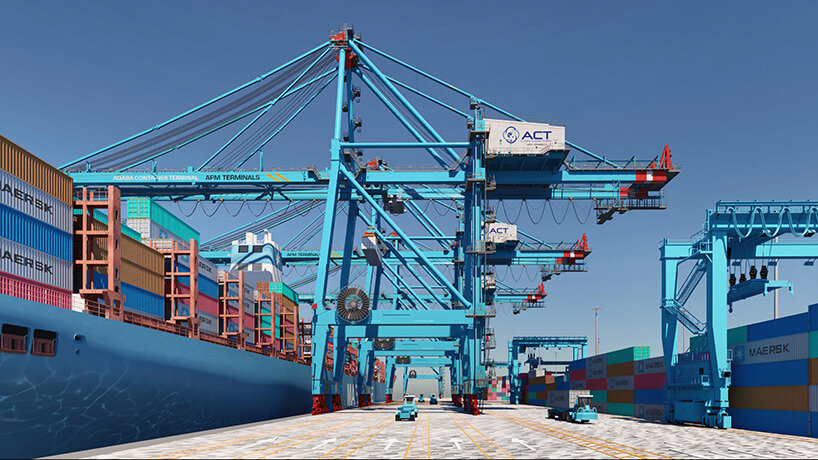
The Port of Aqaba enjoys a unique strategic location at the head of the Gulf of Aqaba, the northern extension of the Red Sea. This location places it close to major international shipping lanes without being directly exposed to high-risk tension zones. It offers convenient access for vessels arriving from Asia, Europe, and Africa while reducing dependence on maritime bottlenecks that frequently experience disruptions.
2. Proximity to Vital Regional Markets
The port serves as an important gateway to several major markets in the region. It is strategically positioned near northern Saudi Arabia and acts as a key access point for the Iraqi market. It can also serve as a redistribution hub for Gulf countries, making it an attractive option for companies seeking to reduce delivery times and transportation costs compared to longer or more congested routes.
3. Integration with Land Transportation Networks
One of Aqaba’s strongest advantages is its connection to an efficient inland road network extending throughout Jordan and into neighboring countries. This multimodal transport capability enables cargo to move quickly from the port to final destinations, particularly Iraq and Gulf countries, without relying entirely on maritime routes that may be affected by ongoing crises.
4. A More Stable Operating Environment
While geopolitical tensions continue to impact areas such as the Arabian Gulf and Bab Al-Mandab Strait, Aqaba has emerged as a relatively stable logistics option. This stability is highly valuable for shipping companies, as it reduces risks related to delays, rerouting, and rising insurance costs while providing greater flexibility in logistics planning.
5. Infrastructure Readiness and Operational Development
In recent years, Aqaba Port has witnessed significant investments in infrastructure development, including berth expansion, increased handling capacity, and modernization of digital operational systems. Customs procedures have also become faster and more efficient, helping reduce cargo clearance times and improving the port’s competitiveness compared to heavily congested alternatives.
6. Growing Interest from Global Shipping Companies
As challenges continue to rise along traditional maritime corridors, many shipping lines have begun redirecting part of their operations toward Aqaba, either as an alternative or complementary port. This trend reflects growing confidence in the port’s ability to accommodate demand and reinforces its position as an emerging regional logistics hub.
To check some of Alfares Shipping Destinations click here.
The Role of Geopolitical Developments in Increasing Aqaba’s Importance
Amid the rapid changes taking place worldwide, geopolitics has become a decisive factor in shaping international trade routes, especially in the Middle East, through which some of the world’s most important maritime corridors pass. Security tensions and regional conflicts have led shipping companies to reassess traditional routes and search for safer and more stable alternatives. In this context, Aqaba Port has emerged as one of the most prominent options gaining strategic importance.
1. The Impact of Hormuz Strait Tensions on Trade Movement
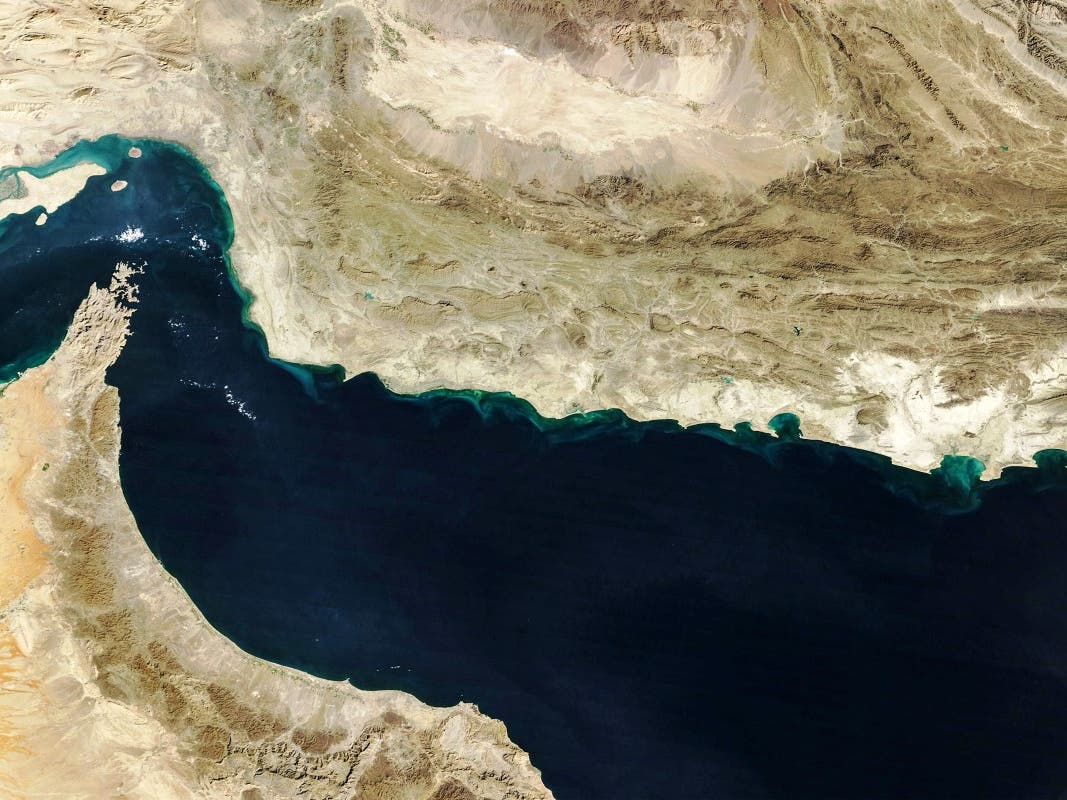
The Strait of Hormuz remains one of the world’s most vital corridors for transporting oil and goods. Any disruption in this passage directly affects global shipping activity. With escalating tensions in the region, concerns over supply disruptions and delays have increased, prompting many companies to reduce dependence on this route and consider alternatives such as Aqaba.
2. Bab Al-Mandab Disruptions and Their Impact on Maritime Shipping
Bab Al-Mandab serves as a critical connection between the Red Sea and the Indian Ocean. Security tensions in this region have increased risks for vessels, raised insurance costs, and forced some shipping lines to alter their routes entirely. Consequently, ports located in relatively stable environments, such as Aqaba, have gained increasing importance.
3. The Shift Toward Longer and More Expensive Alternative Routes
Due to growing risks in certain maritime corridors, many vessels have resorted to alternative routes such as sailing around the Cape of Good Hope, significantly increasing transit times and operational costs. Under these circumstances, ports like Aqaba offer practical advantages by reducing overall transportation distances through efficient inland redistribution.
4. Diversification of Logistics Routes by Shipping Companies
Shipping companies no longer rely on a single route or port. Instead, they are implementing diversified logistics strategies to minimize operational risks. Aqaba has become part of many global shipping networks as a backup or complementary hub, reflecting a strategic transformation in the logistics industry.
5. Political Stability as a Competitive Advantage
Compared to some neighboring regions facing ongoing instability, Jordan enjoys a relatively stable political and security environment. This stability positively impacts operational continuity at Aqaba Port and provides shipping companies with greater confidence and predictability.
Competitive Advantages of Shipping Through Aqaba
The Port of Aqaba represents an advanced logistics solution amid the challenges currently facing regional shipping operations. Its combination of strategic location and operational flexibility creates several competitive advantages that make it a strong alternative to congested or high-risk ports.
1. Reduced Security Risks
With tensions affecting vital maritime corridors such as Bab Al-Mandab and the Arabian Gulf, shipping through Aqaba offers a relatively higher level of safety. The port is located in a less exposed area, reducing the likelihood of delays or security threats and providing shipping companies with greater operational stability.
2. Flexible Integration Between Sea and Land Freight
Aqaba Port is distinguished by its ability to integrate multiple transportation modes. Cargo can arrive by sea and then be redistributed through inland road networks to neighboring countries such as Iraq and Saudi Arabia. This flexibility allows companies to diversify logistics planning and reduce full dependence on unstable maritime routes.
3. Faster Access to Regional Markets
Thanks to its geographic location, Aqaba offers competitive transit times to several regional markets, especially Iraq and northern Saudi Arabia, compared to ports requiring longer routes or more complex procedures. This contributes to improving supply chain efficiency and reducing delivery times.
4. Reduced Congestion and Delays
Unlike some major regional ports suffering from severe operational pressure, Aqaba generally experiences lower congestion levels, allowing faster cargo loading and unloading and reducing vessel waiting times. This advantage is especially valuable amid ongoing delays at many regional ports.
5. Lower Indirect Costs
Although global shipping costs have risen significantly, using Aqaba can help reduce indirect expenses such as demurrage charges, storage fees, and elevated risk surcharges associated with certain maritime corridors. Shorter transit times also positively impact overall operational costs.
Al Fares Shipping Company’s Expertise in Shipping to Aqaba
Al Fares Cargo Service & Clearance is one of the companies that has built extensive operational expertise in international shipping, particularly on routes connected to Jordan and Aqaba Port. This expertise is based on years of experience managing different types of shipments while relying on international partnerships and advanced logistics systems aligned with evolving market demands.
1. Extensive Experience in International Multimodal Shipping
Al Fares has been operating in the international shipping industry for many years, providing freight services to and from multiple destinations across the Gulf region, Europe, and Asia. This experience has enabled the company to develop strong expertise in maritime, land, and air freight solutions, including shipping to Aqaba. The company also relies on a global network of agents to ensure smooth and efficient cargo movement.
2. Specialized Expertise in Shipping to Jordan and Aqaba Port
Shipping routes to Jordan are among the areas where the company has developed strong practical expertise, handling both commercial and personal shipments. Al Fares provides integrated solutions that include:
- Shipping cargo to Aqaba Port
- Inland transportation across Jordan
- Final delivery to various cities
This integrated approach ensures a seamless shipping experience from origin to final destination.
3. Professional Management of All Shipping Stages
The company operates through a comprehensive logistics management system that includes:
- Shipment booking and supplier coordination
- Cargo tracking during transit
- Supervision of unloading operations at the port
- Customs clearance management
This structured approach minimizes operational errors and ensures safe and timely cargo delivery.
4. Strong Experience in Shipping from the UAE and Gulf Region to Aqaba
Al Fares maintains a strong operational presence in the United Arab Emirates, where it provides shipping and customs clearance services from Dubai to various destinations.
This regional presence gives the company strong capabilities in managing shipments from the Gulf to Aqaba through:
- Sea freight services from UAE ports
- Land transportation via Saudi Arabia
- Multimodal logistics solutions
5. Expertise in Customs Clearance and Logistics Procedures
One of the company’s key strengths lies in handling complex customs procedures, particularly for cross-border shipments. Al Fares provides:
- Preparation of required documentation
- Customs clearance services at Aqaba Port
- Faster cargo release procedures
This capability plays a vital role in accelerating supply chain operations.
6. Wide Range of Shipping Services and Cargo Types
The company handles a broad range of shipment types, including:
- Commercial cargo (goods, equipment, raw materials)
- Personal shipments (furniture, household belongings)
- Sensitive or high-value cargo
Additional services such as packaging, warehousing, and door-to-door delivery further demonstrate the company’s comprehensive logistics expertise.
7. Strong International Partnerships and Networks
Al Fares relies on a strong network of international agents and transportation partners, enabling the company to:
- Secure stable shipping routes
- Offer competitive pricing
- Respond flexibly to unexpected logistics challenges
This extensive network strengthens the company’s ability to maintain uninterrupted shipping operations even during periods of regional or global disruption.
To read more about Alfares cargo click here.