
 Track Your Shipment
 Online Enquiry
 Sign In
 English

 Alfares Cargo
 Logistic Informations
 2026-06-08
For decades, the overland route connecting Turkey to the Gulf countries via Syria and Jordan has been one of the most vital trade corridors in the region. It has long represented the fastest and most efficient path for transporting goods between Europe and the Middle East. More than just a transit route, it served as a critical commercial artery that supported trade flows and strengthened economic ties across regional markets.
However, this vital corridor experienced a near-total shutdown over the past years due to political and security challenges in the region. As a result, shipping companies were forced to rely on longer and more expensive alternatives, whether through maritime transport or indirect land routes passing through multiple countries. This shift led to increased shipping costs and longer transit times, directly impacting trade activity and commodity prices.
Today, with recent regional developments and renewed coordination among the countries involved, signs of revival for this land corridor are beginning to emerge. Its return marks a strategic turning point, reopening one of the most important supply routes connecting Turkish and Gulf markets with high efficiency.
Latest Developments in Reactivating the Land Corridor via Syria

1. Renewed Regional Coordination Between Turkey, Syria, and Jordan
The current phase is witnessing notable improvements in coordination among the three countries. Joint efforts are underway to reactivate this historic land corridor, driven by a growing recognition of its importance in supporting regional trade and reducing reliance on costly alternatives. These developments also reflect a broader political and economic intent to reintegrate the region into global transport networks.
2. Resumption of Freight Movement After Years of Disruption
After a prolonged halt, trucks have gradually started using this route again, signaling improved operational conditions on the ground. Although still in its early stages, this resumption carries strong positive indicators for restoring previous trade activity. It has also helped reduce pressure on alternative routes and provided logistics companies with a more direct option to access Gulf markets.
3. Upgrading Border Crossings and Infrastructure
Countries involved are actively improving the readiness of border crossings, both in terms of infrastructure and regulatory procedures. This includes road upgrades, expansion of inspection points, and facilitating truck movement across borders. These improvements aim to reduce waiting times and enhance transit efficiency, making the corridor more attractive to transport companies and importers.
4. Simplifying Customs Procedures and Transit Facilitation
One of the most significant developments is the effort to unify or simplify customs procedures among the three countries. This is a critical factor in the success of any international land corridor. Measures include reducing paperwork complexity, accelerating clearance processes, and ensuring smoother cargo movement without unnecessary delays.
5. Entry of Major Logistics Companies
With the corridor reopening, major logistics providers have begun redirecting part of their operations through this route. Specialized companies like Al Fares are particularly well-positioned to capitalize on this opportunity by offering integrated land freight solutions along the corridor. With extensive experience in managing cross-border shipments, they can ensure efficient and seamless operations for clients.
Geographical Route of the Corridor (Turkey – Syria – Jordan – Gulf)
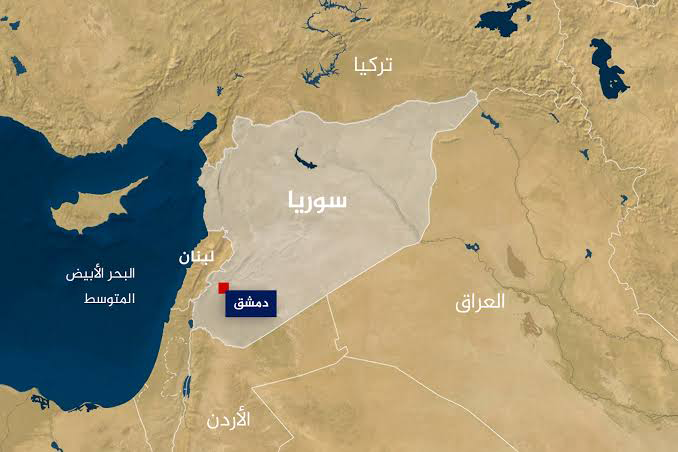
1. Departure from Industrial Centers in Turkey
The journey begins in major industrial and commercial cities such as Istanbul, Gaziantep, and Bursa, where goods are prepared and loaded according to international shipping standards. Turkey serves as an ideal starting point due to its strong industrial base and proximity to Middle Eastern markets.
2. Transit Through Syria as a Strategic Link
After leaving Turkey, trucks enter Syrian territory, which forms the core link in this corridor. Syria’s geographic position makes it a natural bridge between the north (Turkey and Europe) and the south (Jordan and the Gulf). Recent improvements have enhanced the readiness of this route, restoring its role as a fast and efficient alternative.
3. Arrival at the Jordan Border (Nasib / Jaber Crossing)
The Nasib (Syria) – Jaber (Jordan) crossing is a key transit point. At this stage, shipments undergo customs and regulatory checks to ensure compliance. This crossing is one of the most important trade gateways in the region and has seen significant upgrades to improve processing speed.
4. Transit Through Jordan Toward the Gulf
Once inside Jordan, trucks continue through a well-developed road network toward the Saudi border. This stage is considered one of the most stable in terms of infrastructure, enabling smooth and efficient transport operations.
5. Entry into Saudi Arabia and Distribution Across the Gulf
Upon entering Saudi Arabia, the final phase begins. Goods are distributed within the Kingdom or forwarded to other Gulf countries such as the UAE, Kuwait, and Qatar. Saudi Arabia plays a key transit hub role due to its vast territory and advanced road network.
Al Fares’ Role in Leveraging the Syrian Land Corridor
1. Providing Direct Land Freight Solutions
Al Fares utilizes the reactivation of this corridor to offer faster and more direct shipping solutions, reducing transit time and improving delivery efficiency especially for time-sensitive commercial shipments.
2. Efficient Multi-Country Transit Management
Managing shipments across multiple borders requires high expertise. Al Fares coordinates operations across Syria and Jordan into the Gulf while ensuring full compliance with customs regulations at every stage.
3. Specialized Logistics Consulting
Al Fares provides tailored logistics consultations based on shipment type and operational conditions. Not all shipments follow the same optimal route, and the company helps clients choose the best balance between cost, speed, and security.
4. Strong Network for Smooth Operations
The company leverages a strong network of logistics partners and regulatory authorities across all transit countries, enabling faster clearance processes and minimizing operational challenges.
5. Advanced Tracking and Security
Given that the corridor is still in its reactivation phase, security remains a top priority. Al Fares offers advanced tracking systems to monitor shipments throughout their journey, ensuring safety and minimizing risks.
Impact on the Future of Supply Chains in the Region
1. Reducing Dependence on Maritime Shipping
The return of this corridor provides a strategic alternative to traditional sea freight, especially amid increasing challenges such as congestion and geopolitical risks.
2. Faster Market Responsiveness
Land freight offers greater flexibility and speed, enabling businesses to respond more effectively to changing market demands.
3. Strengthening Supply Chain Resilience
Having multiple transport options reduces dependency on a single route, enhancing resilience during disruptions in sea or air freight.
4. Reshaping the Regional Logistics Map
The reopening of this corridor is redefining trade routes in the region. Syria regains its role as a key transit hub, Jordan strengthens its position as a connector, and Gulf countries benefit from faster access to goods. This shift promotes greater economic integration and opens new opportunities for regional cooperation.